



Industry News
How to Choose Minimalist Doors Without Pitfalls? A Guide to Avoiding Mistakes from Door Frames, Glass to Hardware
"How to Choose Minimalist Doors Without Pitfalls? A Guide to Avoiding Traps from Door Frames, Glass to Hardware" in my view comes down to: spend money where it determines the experience. Below, I'll clarify the door frames, glass, hardware, and installation key points in the common decision-making order. Follow this checklist, and you can basically reduce the probability of pitfalls.
How to Choose Minimalist Doors Without Pitfalls: Start by Selecting the Right "Door Frame System"
If the door frame is chosen wrong, no matter how good the glass or how expensive the hardware, it's hard to salvage the feel; the appearance can be slim, but the structure cannot be weak.
Profile and Surface Treatment: Look at Durability, Not Just Color
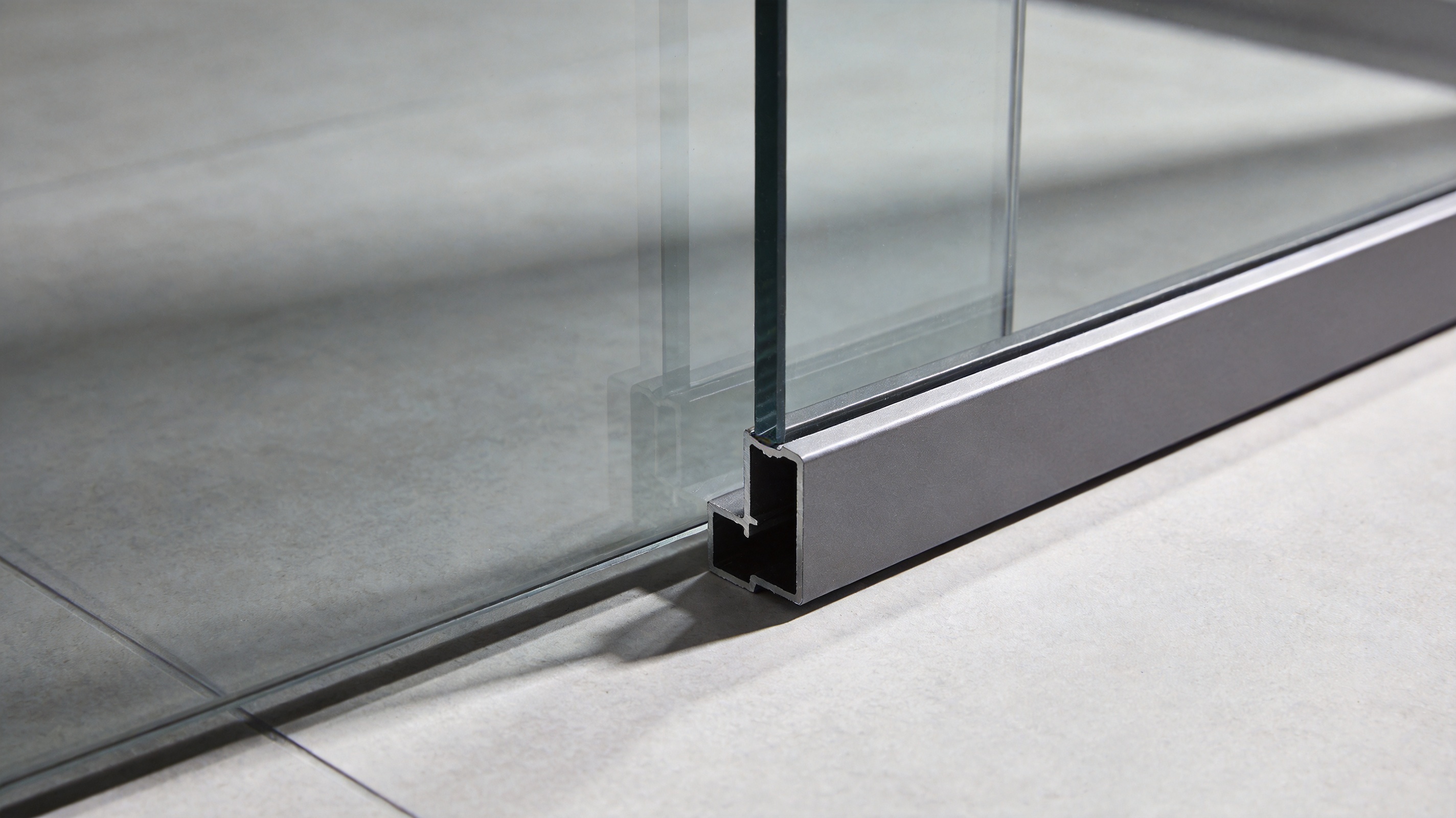
Prioritize confirming the profile material and surface treatment; the difference is more obvious in humid environments. For example, Yunduo minimalist doors use aluminum-titanium-magnesium alloy with ceramic electrophoresis treatment, more moisture-resistant, corrosion-resistant, and easy to maintain; touch the frame corners and edge closures—whether they're refined or sharp can basically determine the workmanship.
Choose System by Scenario: Don't Force Sliding Doors to Handle "Heavy Pushing"
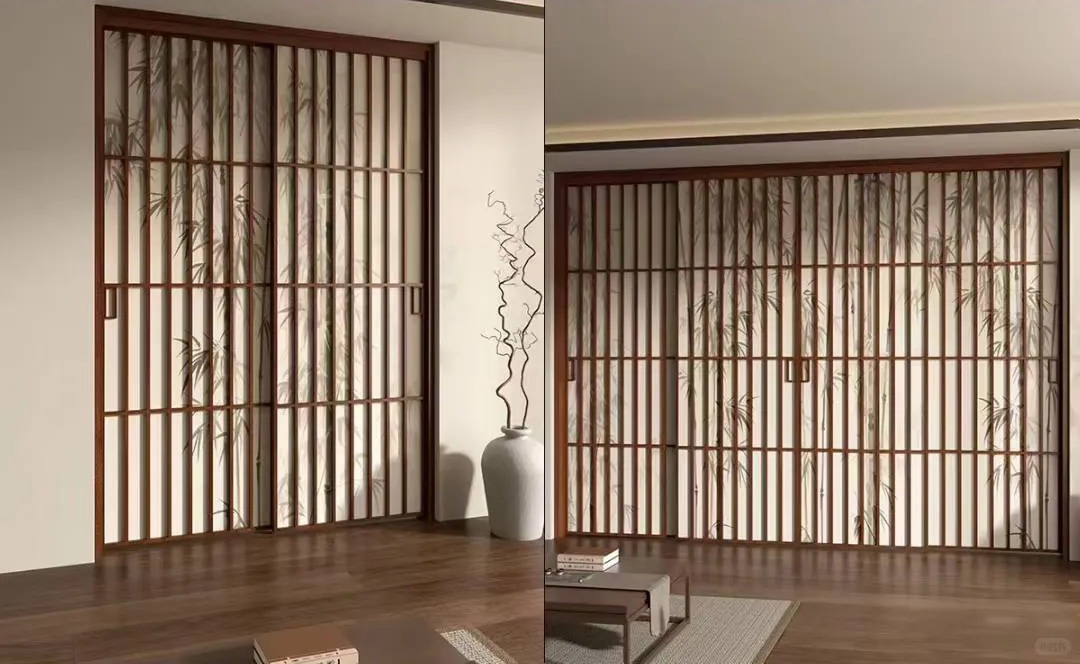
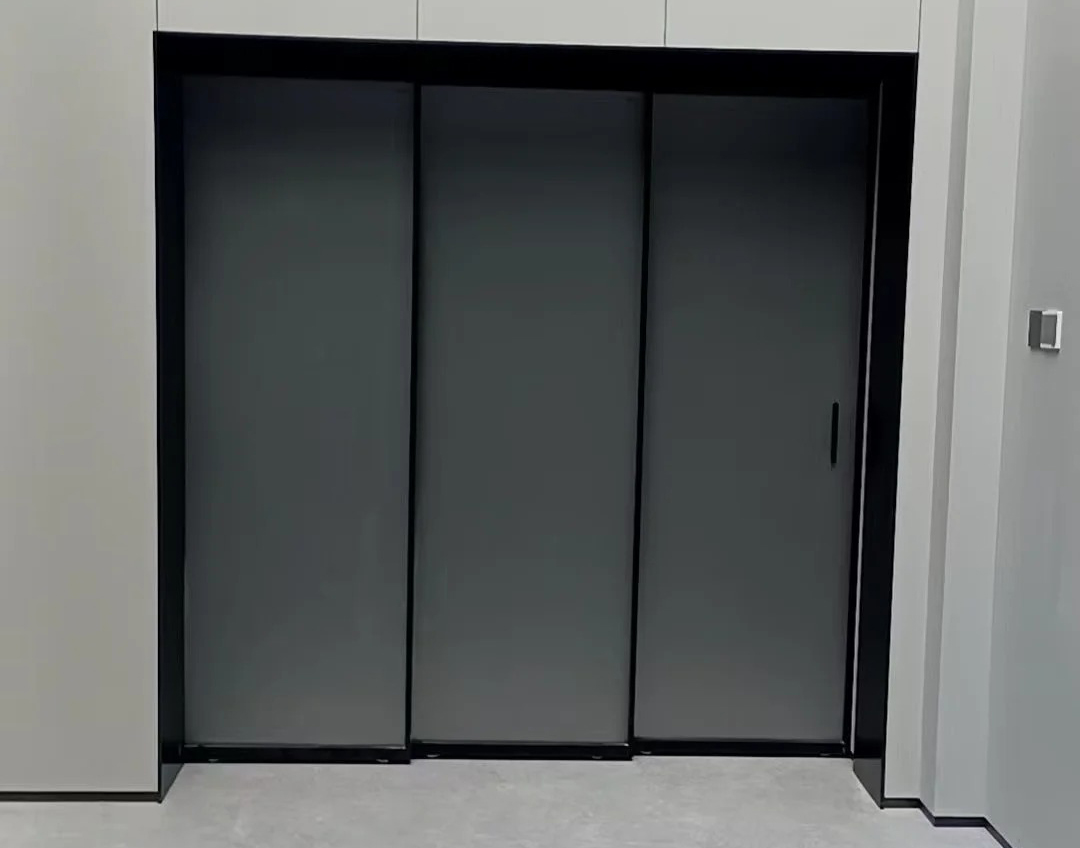
The system must be chosen according to the scenario: for balconies, terraces with large glass panels and heavy door leaves, prioritize outdoor heavy-duty sliding systems; for bedrooms and studies where sealing and sound insulation matter more, hinged doors are more convenient; for kitchens and corridors where space-saving is needed, sliding doors or partitions are more suitable. Clarify the scenario, and the solution won't go off track.
How to Choose Minimalist Doors Without Pitfalls: For Glass, Don't Just Ask "How Many Millimeters," Ask About Safety and Workmanship First

Glass is both the facade and a risk point; chosen correctly, it balances transparency, lighting, and privacy; chosen wrong, it's prone to being difficult to clean or not durable.
Safety Baseline: 3C Tempered Glass is the Starting Point
State the requirement firmly: 3C certified tempered safety glass. Yunduo minimalist doors use automotive-grade tempered glass, with greater tolerance for shock and impact resistance; you just need to ask: can you provide glass information and process confirmation sheet for each door leaf? Professional parties will generally cooperate.
Process Selection: Reverse-Engineer Glass Solutions from "Space Requirements"
Choose clear glass for transparency; use reeded, frosted, or wired glass for privacy. The process should match cleaning habits: prioritize easy-to-maintain textures and edge treatments for kitchens; put privacy first for bathrooms. Yunduo has its own tempered glass production line, with better process control and easier customization implementation.
How to Choose Minimalist Doors Without Pitfalls: Hardware Determines "Smooth Operation for Ten Years"—Don't Cut Corners Here

Half of whether a door looks "premium" lies in the hardware. You don't need to understand model numbers, but you must focus on load-bearing compatibility and buffer silence.
For sliding doors, check rollers and tracks: the larger and heavier the door, the more you need a heavy-duty stable system to prevent the feel from becoming sticky.
For swing doors, check hinges and magnetic catches: good coordination between magnetic catches and seals makes closing quieter and rebound more controlled.
Ask about authorization and traceability: Yunduo minimalist doors come standard with OPK and German Torviller hardware, with authorization verification provided.
"Whether it can be pushed with one finger" depends on door panel size, glass configuration, and installation precision. Yunduo sliding doors use an improved OPK suspension system, which can achieve smooth pushing with light force under normal use, but the prerequisite is that the solution and construction don't cut corners.
How to Choose Minimalist Doors Without Pitfalls: Treat "Measurement—Installation—After-sales" as Part of the Product
The key to avoiding pitfalls is to write delivery into the process: on-site survey, solution confirmation, production, delivery and installation, after-sales maintenance—each step needs a checkpoint. Yunduo minimalist doors, for example, are from a local source factory in Chengdu, capable of both residential and commercial partitions, with more reliable local installation and regional after-sales response.
Use this checklist to align three things: whether the door frame system matches the scenario, whether the glass is safe and easy to maintain, and whether the hardware is authorized and has sufficient load-bearing capacity. Implement these three items line by line into the plan, and this "pitfall avoidance guide" can become a verifiable standard; if needed, send over the floor plan and usage scenario, and we will provide you with an actionable selection recommendation based on the system door configuration.
FAQ
Q1When choosing minimalist doors, how should door frame systems be determined by scenario first?
Clarify the usage scenario first before selecting a system: for balconies and terraces with large glass and heavy door panels, prioritize outdoor heavy sliding systems; for bedrooms and studies that require better sealing and sound insulation, swing doors are more suitable; for kitchens and corridors where space-saving is the priority, sliding doors or partitions are commonly used. Door frames can be visually thin, but structural strength and stability must match the door panel weight and usage frequency.
Q2Besides thickness in millimeters, what else needs to be confirmed when selecting glass?
Make safety the baseline by explicitly requiring 3C-certified tempered safety glass, and have the merchant provide glass information and process confirmation forms according to the door panel. Then work backward from spatial needs to determine the process: choose clear glass for transparency, or opt for fluted, frosted, or wired glass for privacy screening. For kitchens and bathrooms, consider cleaning habits and privacy requirements, paying attention to texture, edge treatment, and durability.
Q3How to verify hardware and installation delivery to reduce issues like stiffness or noise after prolonged use?
For hardware, first check load-bearing compatibility and cushioning/noise reduction: for sliding doors, focus on verifying the heavy-load stability of wheels and tracks; for swing doors, focus on the coordination of hinges, magnetic catches, and sealing strips. Require authorized verification and traceability information for hardware to avoid unclear origins that make later maintenance difficult. At the same time, treat measurement, plan confirmation, installation precision, and after-sales maintenance as part of the product, setting checkpoints for each step so that tactile feel and smoothness are more controllable.
Related picks