



Outward-Flush Inward-Opening Door System
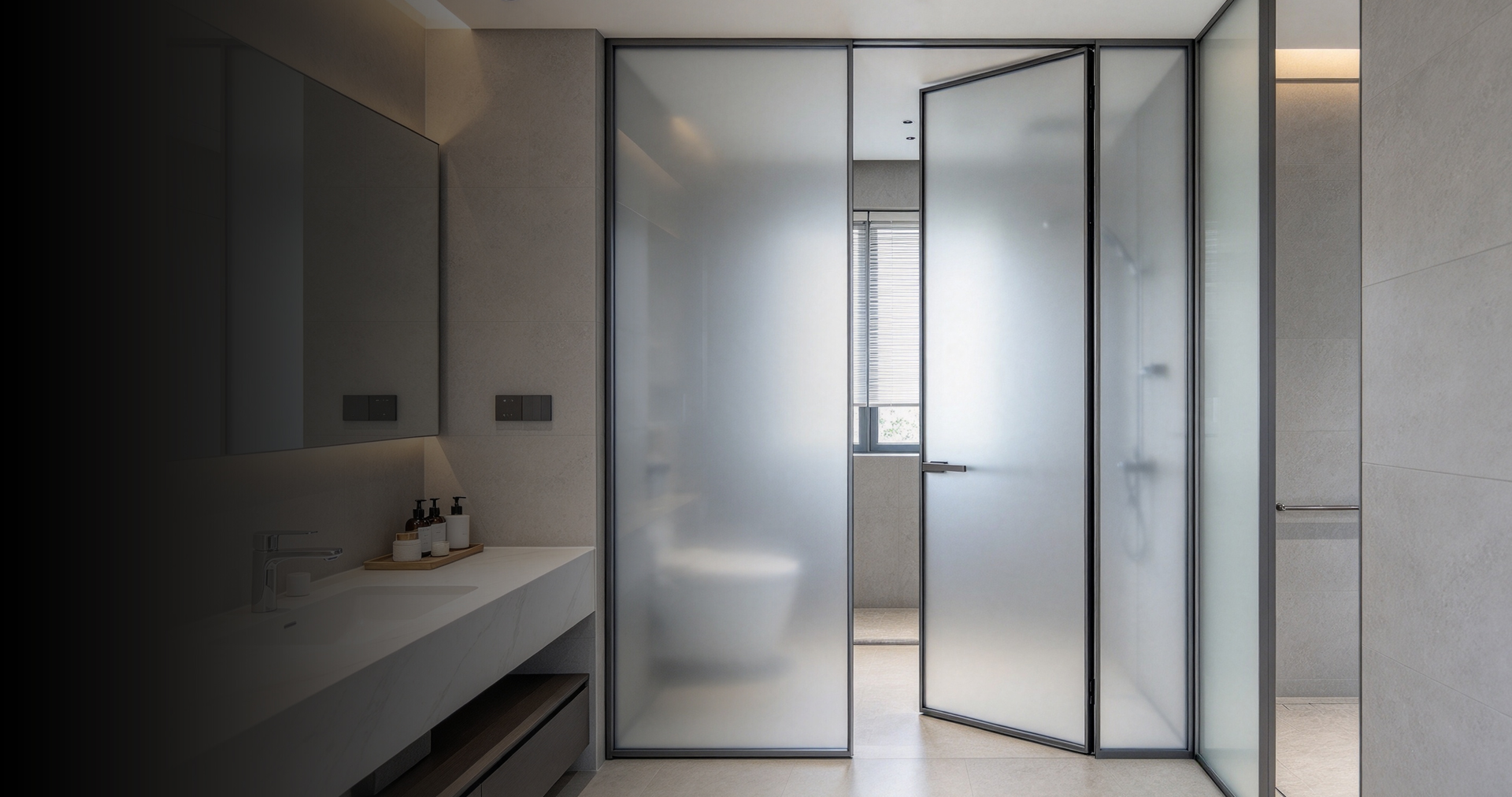
Say goodbye to cramped spaces and circulation disruptions caused by door swing. Make bathrooms, small apartments, and studies more spacious with outward-flush inward-opening design, saving space while achieving a sleek, sophisticated look.
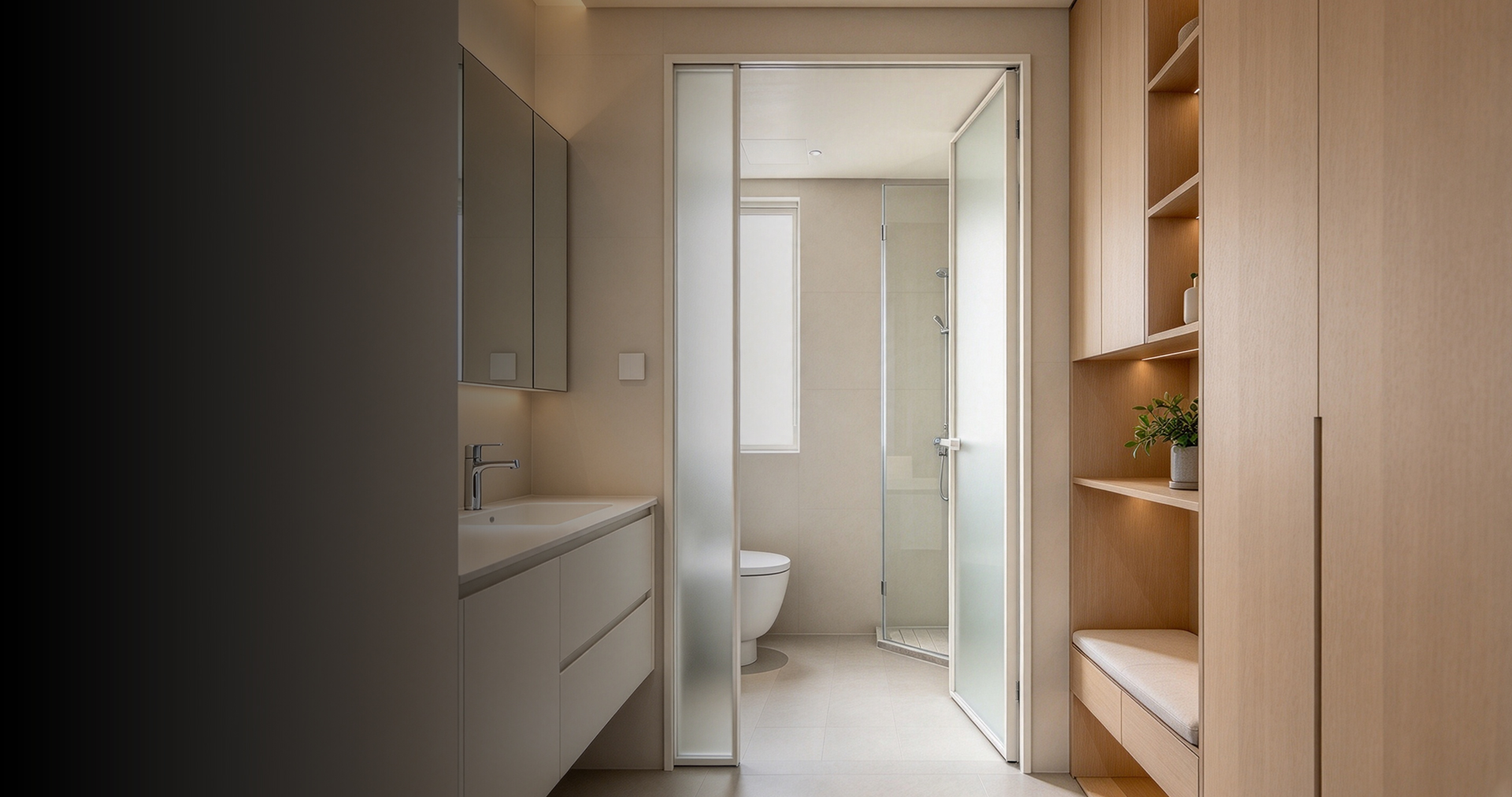
Suitable for small apartment bedrooms, bathrooms, kitchens, studies, and door-wall integrated design spaces. Featuring an outward-flush inward-opening structure, it occupies minimal indoor space when opened, facilitating better circulation planning. The ultra-narrow frame presents a flat and simple appearance, offering excellent sealing and sound insulation when closed, ideal for scenarios requiring efficient space utilization and overall aesthetic appeal.
FAQ
Q1What spaces are suitable for installing an outswing door system?
Suitable for bathrooms, small bedrooms, kitchens, studies, and other areas sensitive to indoor space. Also commonly used in integrated door-wall designs. When opened, it occupies less indoor space, facilitating movement, storage, and furniture placement. If the space circulation is compact or the door is adjacent to a sink, wardrobe, etc., it's also easier to plan.
Q2What advantages does the outswing structure offer in terms of circulation and space utilization?
Outswing doors occupy less indoor area when opened, reducing interference between the door panel and people walking or opening cabinet doors. For small apartments or compact spaces like bathrooms, it can more easily create smooth circulation. It also helps free up wall and corner spaces, improving flexibility in arranging usable areas.
Q3How does the outswing door system perform in terms of appearance, sealing, and sound insulation?
The appearance features a flat exterior with extremely narrow frames, creating a cleaner and more streamlined look that facilitates unified door-wall aesthetics. When closed, it typically provides good fit, helping to enhance sealing and reduce noise and odor leakage. Actual performance depends on installation precision, door panel structure, and hardware configuration. It's recommended to clarify requirements during the planning stage and conduct on-site measurements for proper matching.