



Partition System
Say goodbye to the oppression and fragmentation brought by heavy walls, keeping your space divided yet connected, always transparent and spacious.
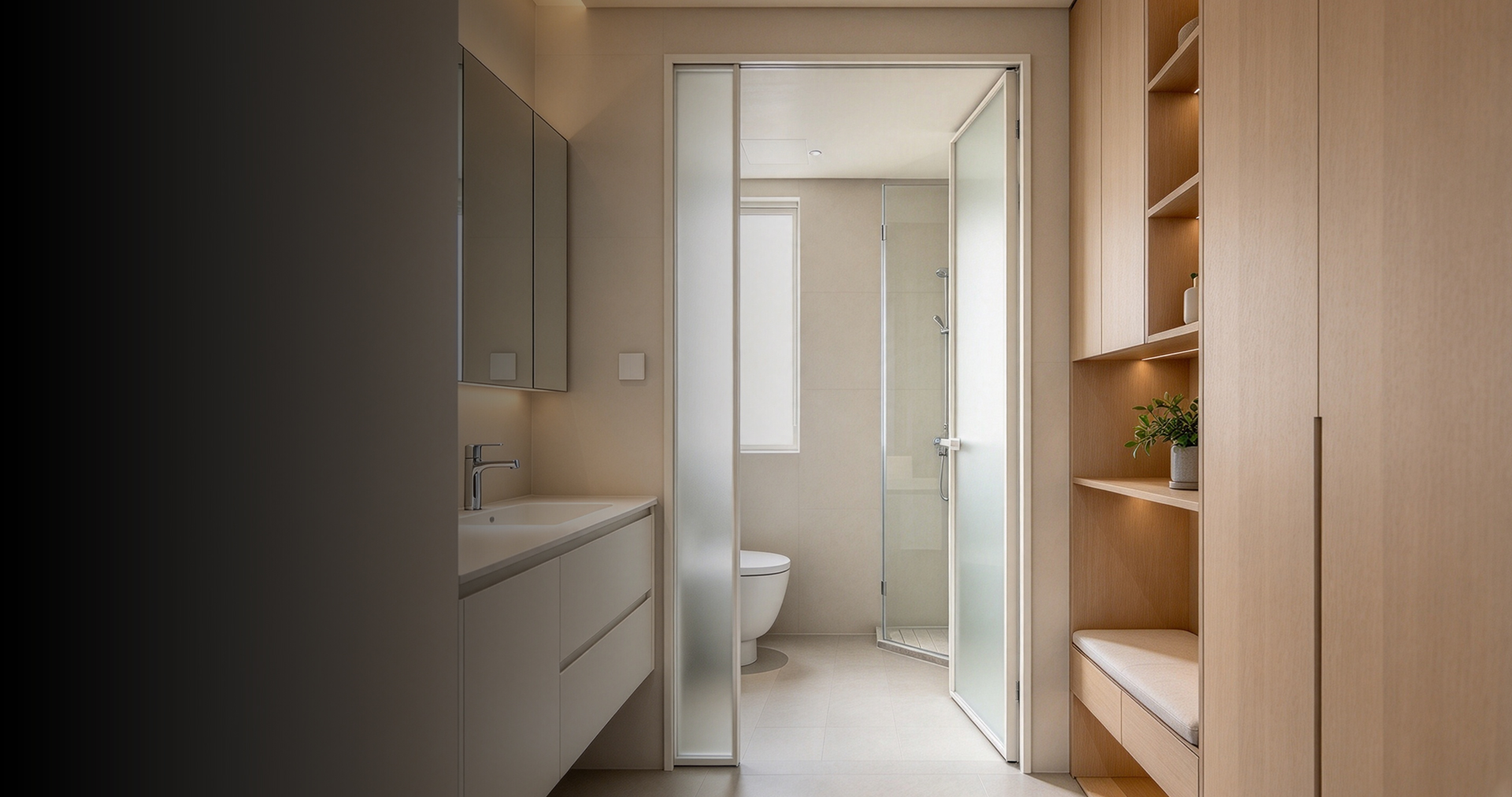
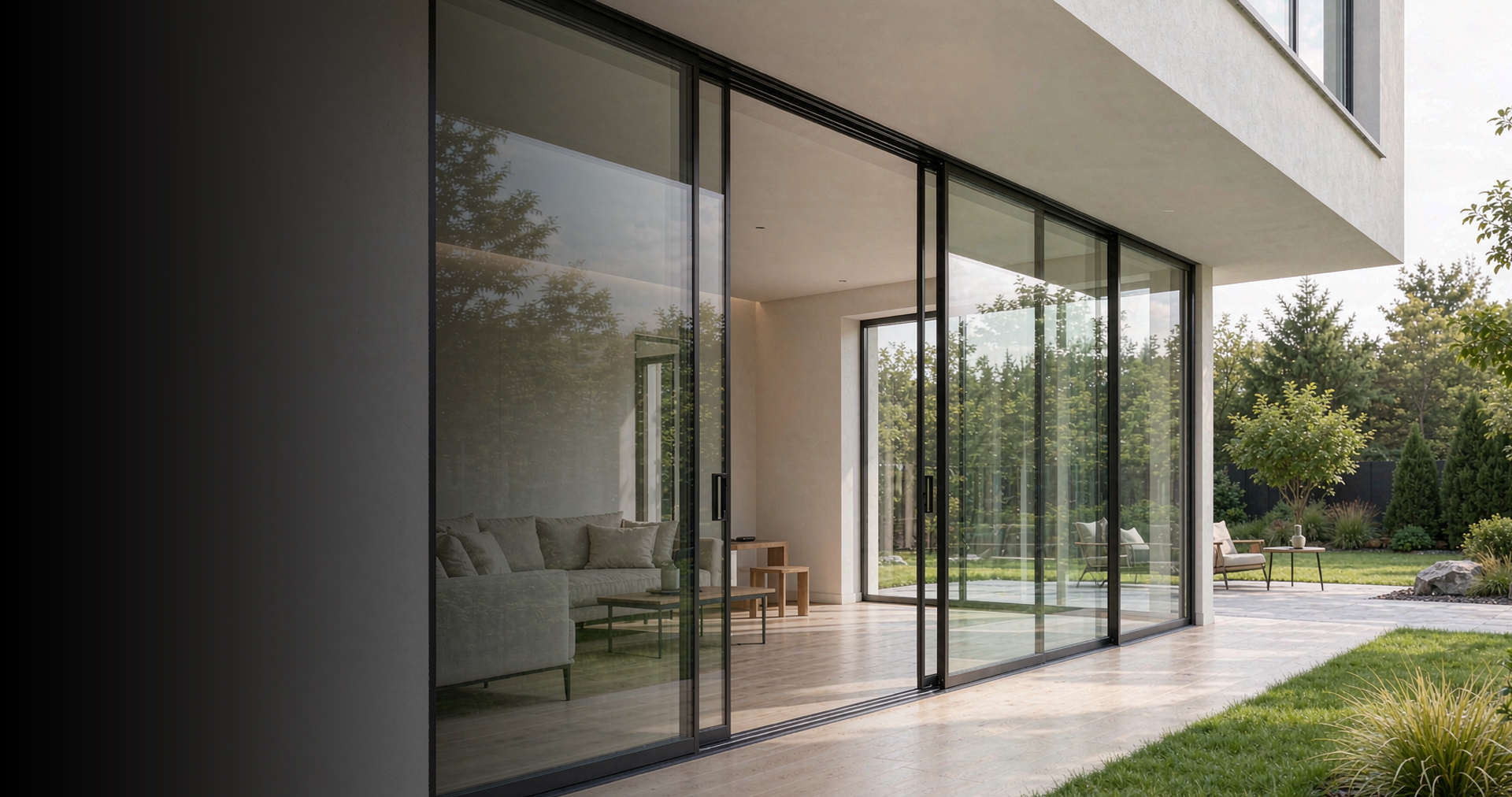
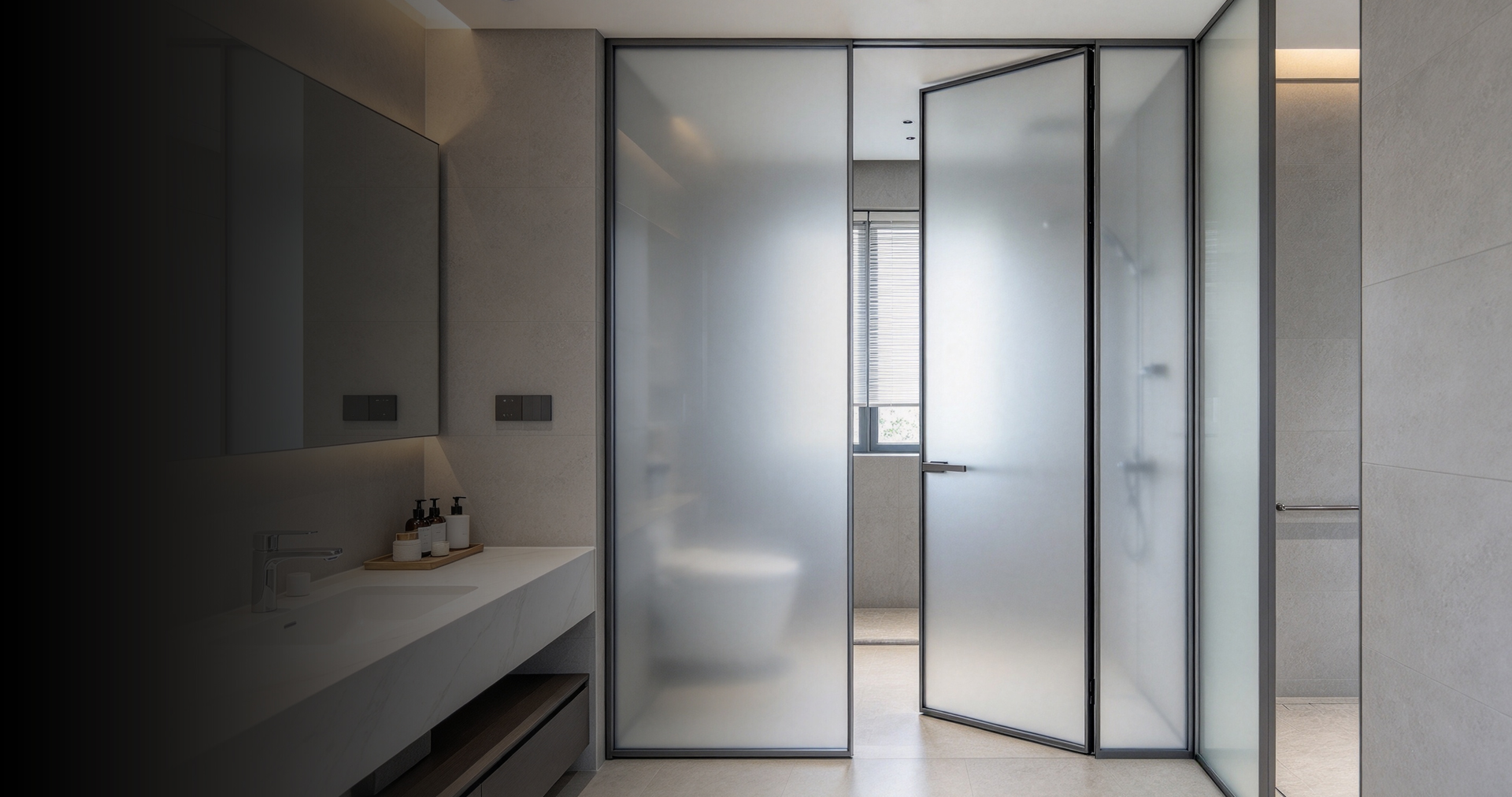
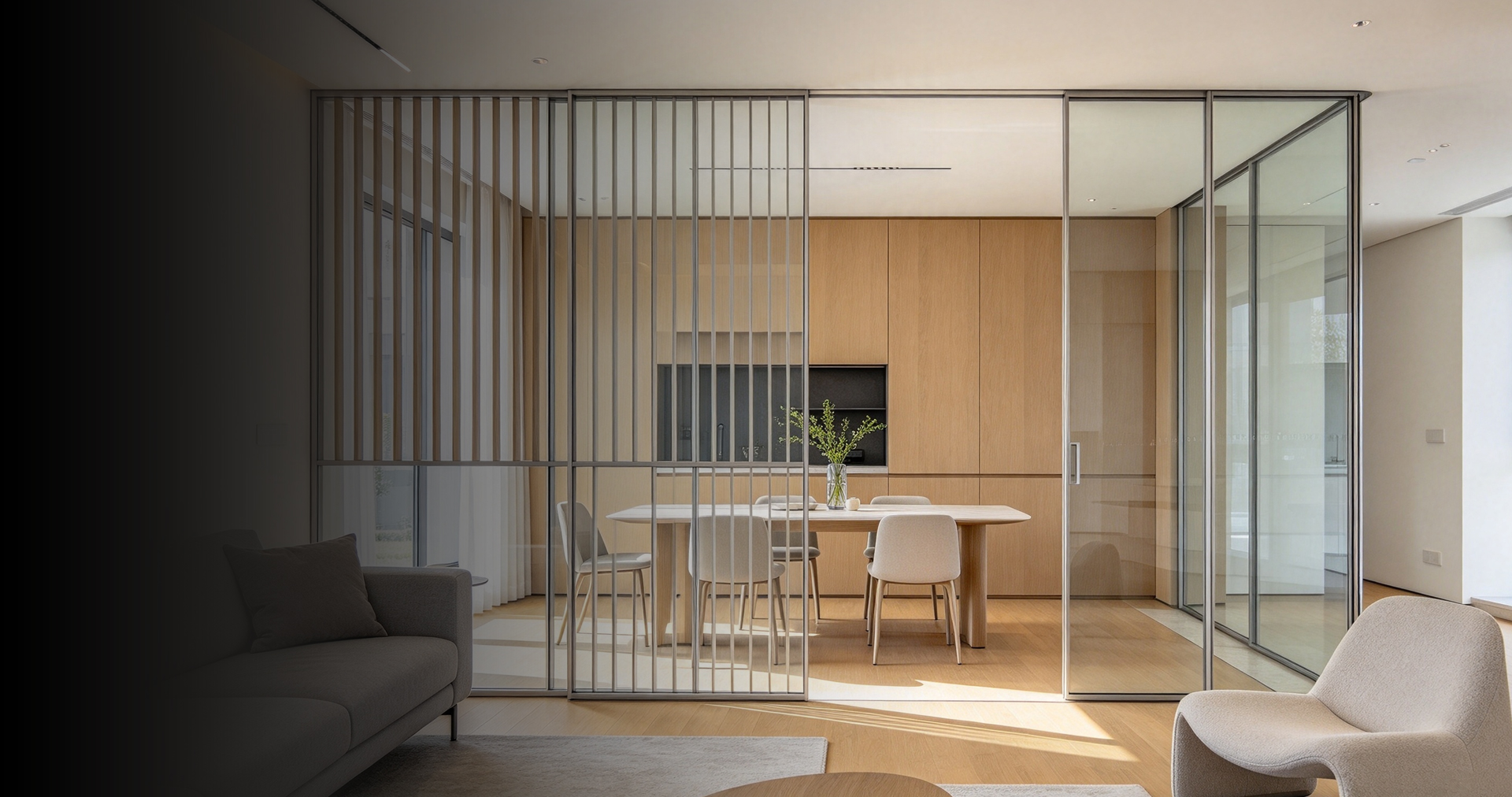
Suitable for living and dining rooms, entryways, studies, as well as shops, office buildings, hotels and other spaces, enabling space division without constructing walls. Supports various forms including fixed partitions, movable partitions, half-wall partitions, and more. Glass options include fluted glass, frosted glass, wired glass, artistic glass, etc., balancing natural lighting, transparency and privacy needs while maintaining an open sense of space.
FAQ
Q1What spaces and usage scenarios are partition systems suitable for?
They can be used in residential living and dining rooms, entryways, studies and other areas that need zoning but don't require complete enclosure. They're also suitable for commercial spaces such as retail stores, offices, and hotels, for dividing functional zones, circulation paths and reception areas. The core value is achieving zoning while maintaining spatial transparency and openness.
Q2What needs are fixed partitions, movable partitions, and half-wall partitions respectively suitable for?
Fixed partitions are suitable for long-term unchanging functional zoning, offering greater stability and integrity. Movable partitions are suitable for scenarios requiring flexible space switching, facilitating quick adjustments between open and independent configurations. Half-wall partitions are suitable for layouts that only provide visual and spatial guidance while preserving more communication and natural lighting.
Q3How to choose glass materials and balance transparency with privacy?
Fluted and frosted glass can enhance screening effects, suitable for areas requiring stronger privacy while still maintaining some natural lighting. Wired and art glass strengthen decorative expression while ensuring zoning, suitable for scenarios emphasizing spatial style. You can choose glass types that lean more transparent or more private based on the degree of visual screening, lighting requirements, and overall design language.