



Industry News
Say Goodbye to Hygiene Dead Zones! Overhead Track, Floor Track, or Multi-Panel Sliding Doors—How to Choose for Kitchen, Bathroom & Balcony?
"Say goodbye to hygiene blind spots! How to choose hanging rail, floor rail, linkage doors, and kitchen, bathroom, and balcony doors for better practicality?" I've seen it many times on-site: only after the door is installed do you discover water accumulation, dirt-trapping tracks, and sluggish sliding. When choosing a door, don't just look at appearance—clarify the logic based on the space's wet area properties, cleaning habits, and traffic frequency, and you'll avoid pitfalls.
Say Goodbye to Hygiene Blind Spots! Selection Strategy for Hanging Rail, Floor Rail, and Linkage Doors in Kitchens, Bathrooms, and Balconies
Conclusion: For wet areas, prioritize "easy to wipe, fewer gaps, good drainage" first, then consider the opening method. For kitchens, consider cooking fumes and traffic flow; for bathrooms, consider wet-dry separation and threshold conditions; for balconies, consider wind pressure, door panel weight, and light transparency.
Simple rule of thumb: If you want easy mopping and robot vacuum access, minimize floor grooves; if the space is narrow and you want a larger opening, consider linkage doors; the bigger and heavier the door panel, the better the hardware must be, otherwise both feel and lifespan will suffer.
Hanging Rail Doors: No Dirt Accumulation on Floor, Suitable for Kitchens, Bathrooms, and Balconies "Requiring Easy Maintenance"
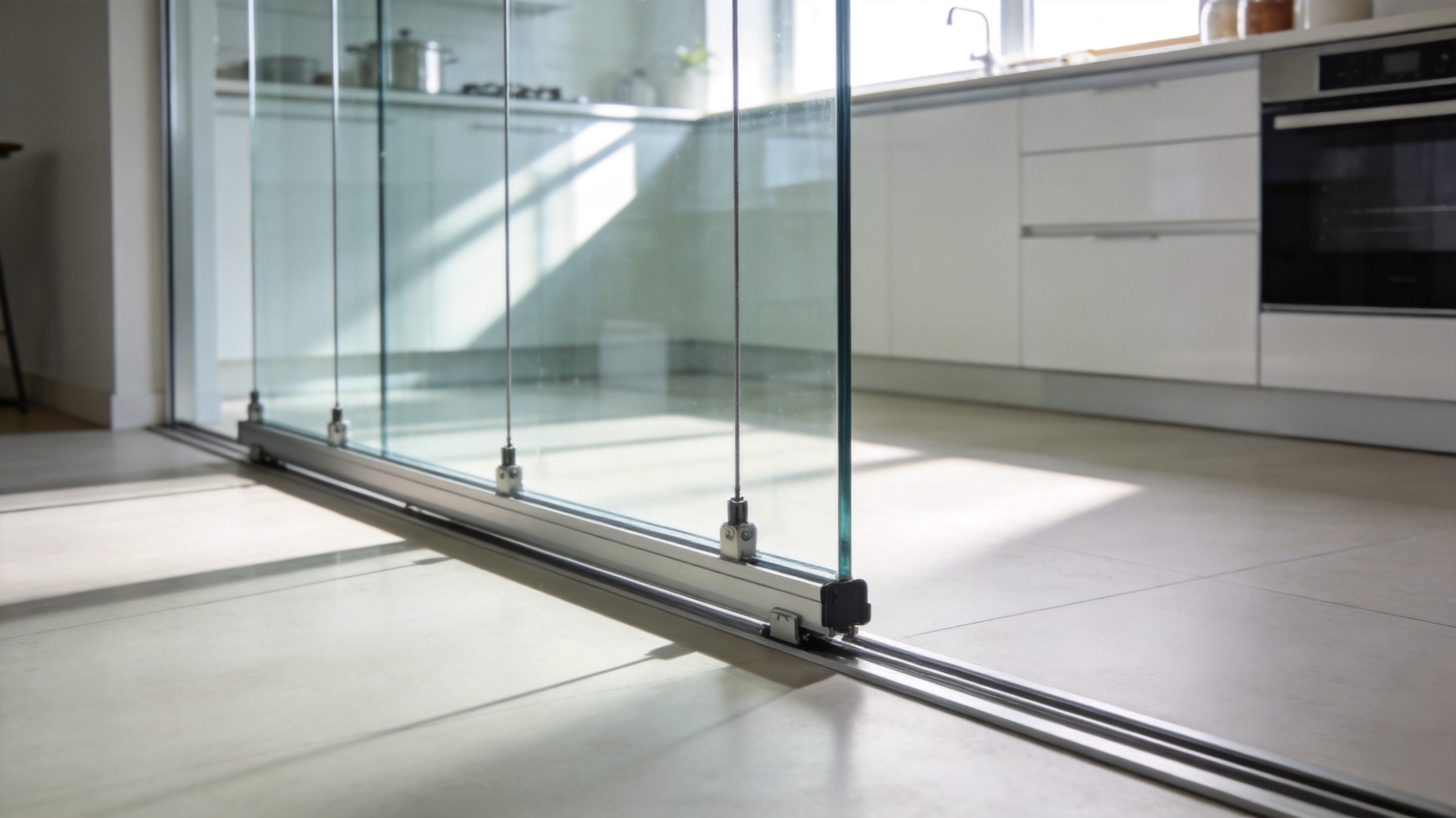
Conclusion: If you care about cleaning efficiency and don't want grooves left on the floor, hanging rails are more worry-free. With no floor track, water stains and dust don't easily accumulate into black edges, and robot vacuums can pass more smoothly—more friendly for high-frequency cleaning areas like kitchen and bathroom doorways.
But hanging rails can't just be "hung up casually." I focus on two things: whether the upper structure can stably bear weight, and whether the rollers and cushioning are adequate. For example, the improved OPK suspension system with Oppaker rollers and Torville cushioning makes sliding smoother and quieter; the larger the door panel and thicker the glass, the more noticeable the difference.
Before Installing Hanging Rail Doors, Clarify the Key Points in Three Sentences
Is the track mounting surface flat and solid enough to support the door panel weight and ensure long-term stability?
Does it have buffering and anti-swing features to prevent door slamming and bottom shaking?
Are water barriers and door frame trims properly installed in wet areas to avoid turning "no floor track" into "looks good but leaks"?
Floor Track Doors: More Intuitive Sealing and Guidance—Choosing the Right Track Can Also Minimize Dead Corners
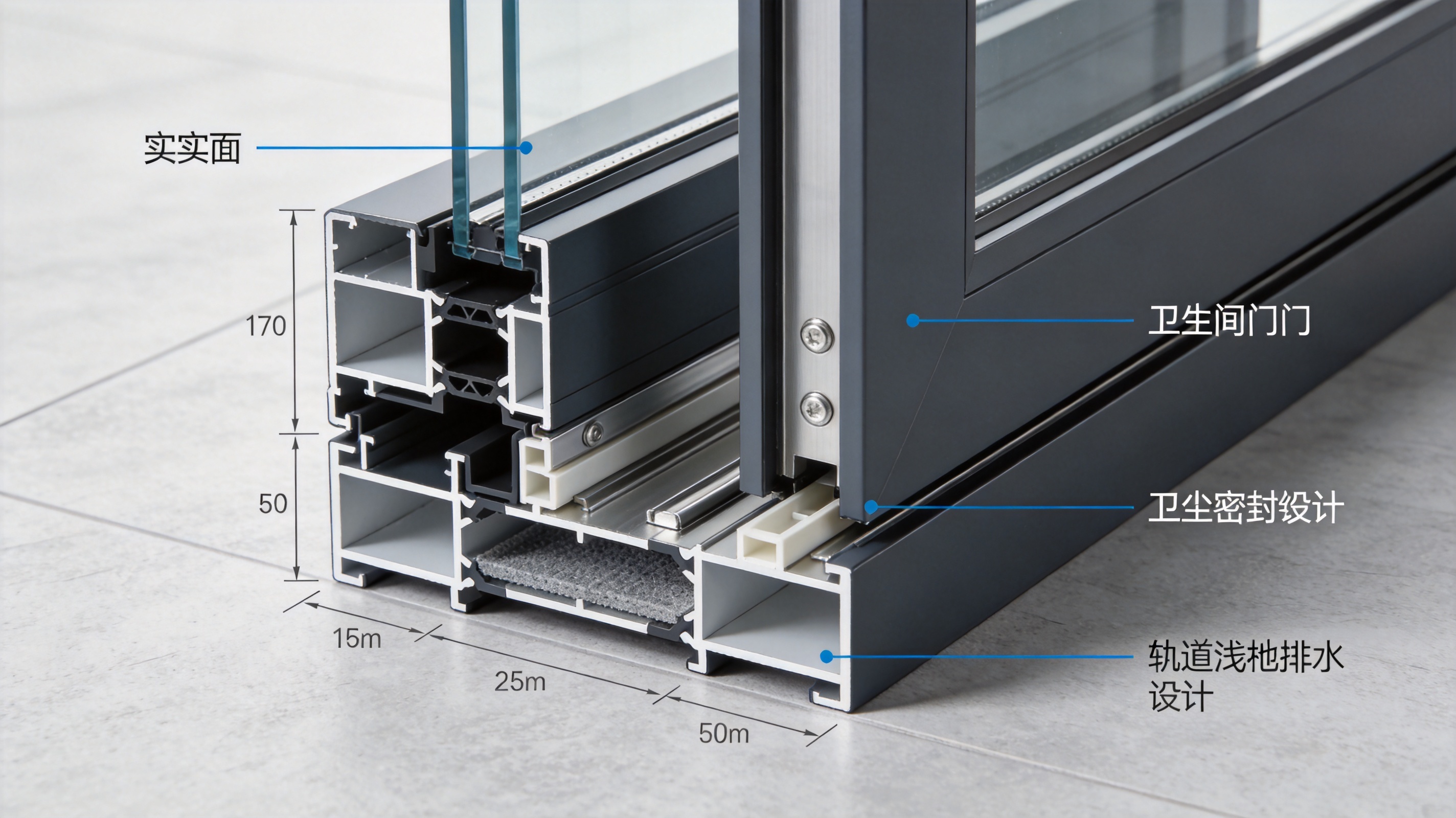
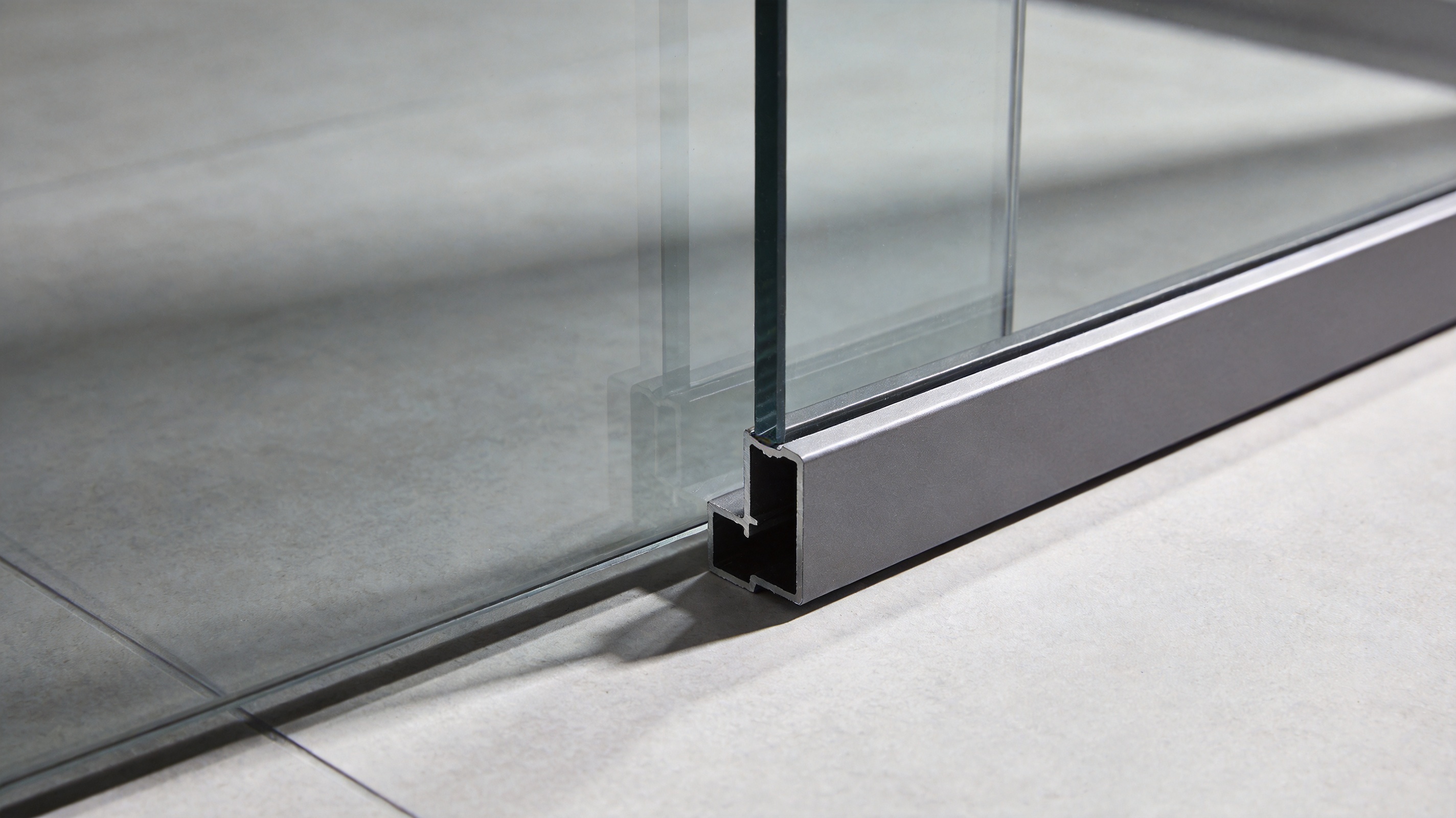
Conclusion: When clearer guidance and sealing requirements are needed, or when door opening conditions are unsuitable for suspension installation, floor tracks remain reliable. For some bathrooms that need to combine water blocking and draft prevention, the "physical boundary" of floor tracks is more direct.
To prevent floor tracks from accumulating dirt, make the track shallow and easy to clean, and integrate drainage slope with door trim finishing. During delivery, I often emphasize: avoid deep grooves, aim for one-pass mop cleaning; keep both side trims neat to reduce repeated mold on soft rubber edges. If the profile surface uses ceramic coating process, it offers better moisture and corrosion resistance.
Linked Doors: Wider Opening and Smoother Circulation—Ideal for High-Frequency Traffic in Kitchens and Balconies
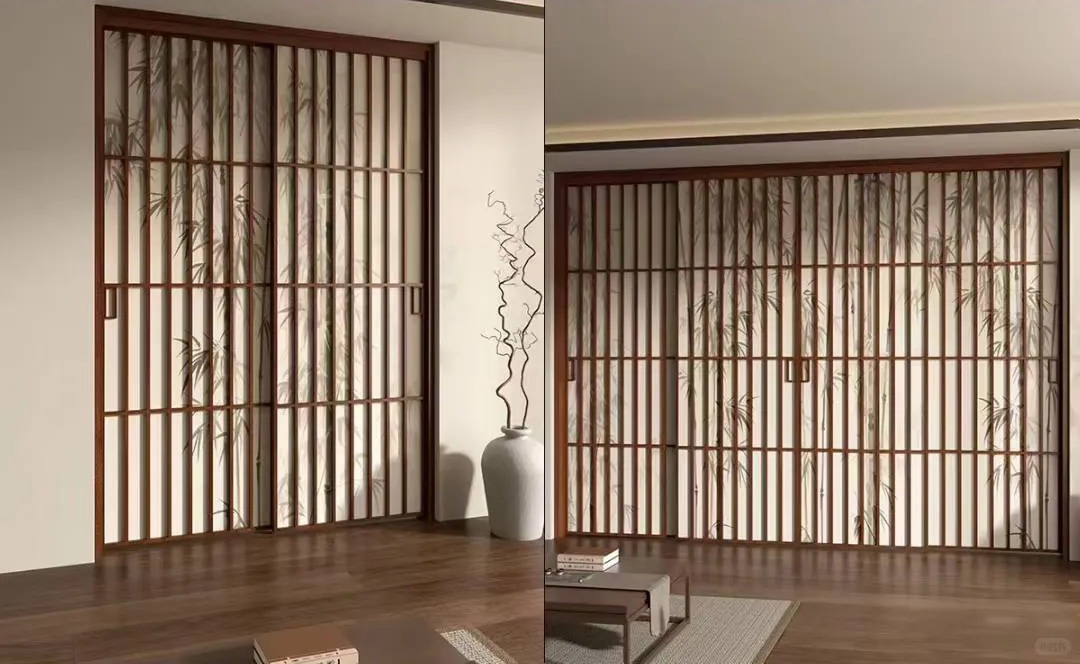
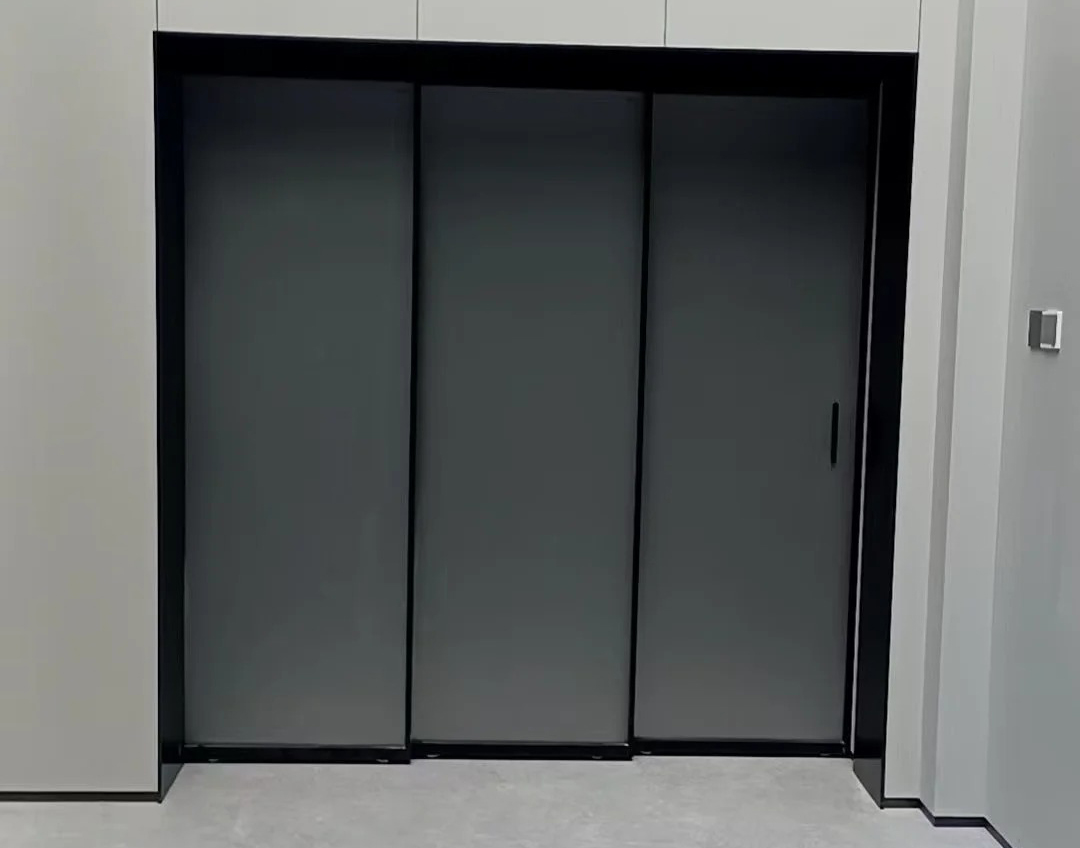
Conclusion: To create a larger opening within limited wall space, three-panel/multi-panel linked doors are very practical, commonly seen in kitchens and balconies. When carrying plates, pushing carts, or moving plants, "opening width" often affects experience more than "door cost".
For linked doors, I focus on three points: whether the stacked configuration blocks the passage, whether opening is smooth without uneven wear, and whether it derails after prolonged use. Hardware determines most of the user experience—don't just ask "is it linked," ask about the system and rollers, and whether there's adjustment tolerance. Source factories that handle measurement through installation in one line can better absorb door opening and floor errors in advance, resulting in fewer reworks.
Bringing Choices to Your Home: Three "Practical Priorities" for Kitchen, Bathroom, and Balcony Doors
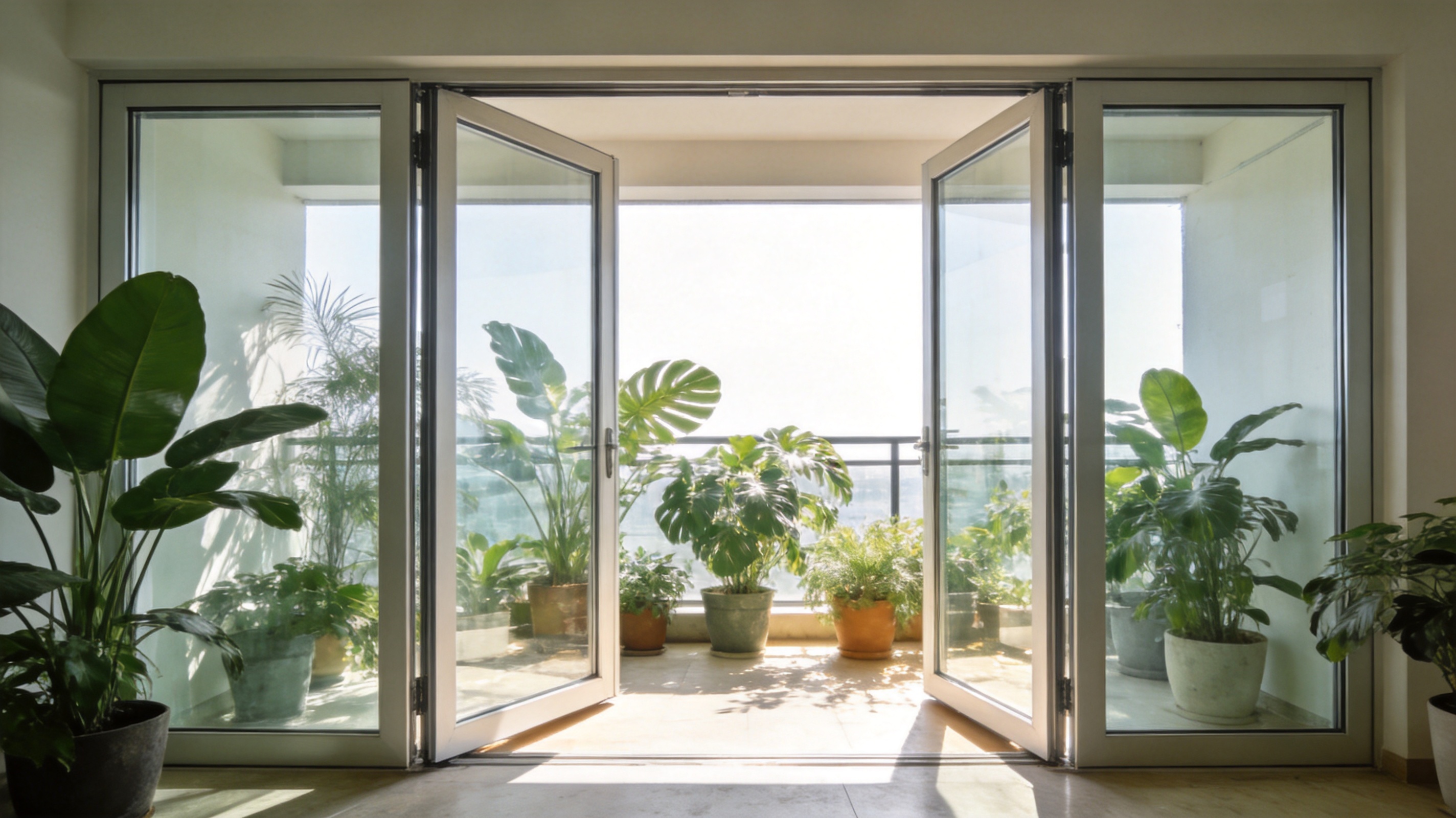
Conclusion: Making decisions based on "Cleaning & Maintenance > Traffic Flow > Aesthetic Details" is generally foolproof. Kitchens have heavy oil fumes, so prioritize easy-to-clean options; for bathrooms, prioritize wet-dry separation and water barriers; for balconies, consider wind pressure and door panel weight, and upgrade to a more stable heavy-duty sliding system when necessary.
If you're still struggling with the choice, start by identifying the most difficult-to-maintain doorway in your home, have the surveyor provide two comparative solutions based on on-site conditions (overhead track/floor track or linked combinations), then make your final decision based on hardware configuration and cleaning costs. When doors are convenient and easy to maintain, daily life becomes much easier.
FAQ
Q1How to determine whether to prioritize overhead track, floor track or multi-panel sliding doors for kitchen, bathroom and balcony?
Prioritize by usage scenario: wet areas prioritize easy cleaning, fewer joints, and water blocking/drainage; high-traffic areas prioritize opening size and smooth circulation. To reduce floor grooves and facilitate mopping and robot vacuum movement, consider hanging track systems. Choose floor tracks when clearer guidance or sealing and water blocking are required but hanging installation is not suitable; for narrow spaces where you want a larger opening within limited wall space, opt for triple-linkage/multi-linkage systems.
Q2When selecting hanging track doors, what on-site conditions should be key checkpoints to avoid future instability or water leakage?
First confirm whether the overhead structure and installation surface are flat and solid, capable of long-term load-bearing while maintaining stability. Then check if the system includes buffering, anti-sway and other features to reduce noise and wear caused by door swinging and bottom shaking. Finally verify wet area water blocking, door frame finishing and floor drainage treatment to avoid seepage or difficult-to-clean joints due to the absence of floor tracks.
Q3How should floor track doors be designed and constructed to balance sealing guidance with cleaning maintenance?
Keep tracks shallow and easy to clean, avoiding deep grooves that accumulate water and dirt—ensure mops can clean in one pass for easier daily maintenance. Consider drainage slope and door threshold finishing together to reduce gaps and prevent repeated moisture exposure and mold on soft seals. If the environment is humid or has corrosion risks, pay attention to profile surface treatment and moisture resistance, and upon handover inspect whether both side finishes are neat and tracks are straight.
Related picks